A Local Guide to Navruz, Blooming Season, and Traditional Cuisine
I've been guiding travelers through Uzbekistan for over a decade, and every year I have the same conversation with clients planning their spring trip: they read "April to May is the best time" on some travel blog, book their flights, and arrive expecting the peak. What they miss — because most guides won't tell you — is that spring in Uzbekistan isn't a single season. It's three completely different experiences packed into three months.
So let me walk you through what actually happens here between March and May, and how to plan around it.
Navruz is not one day — it's two weeks
Most Western guides will tell you Navruz falls on March 21. That's technically correct, but practically misleading, because the celebrations stretch beyond that date.
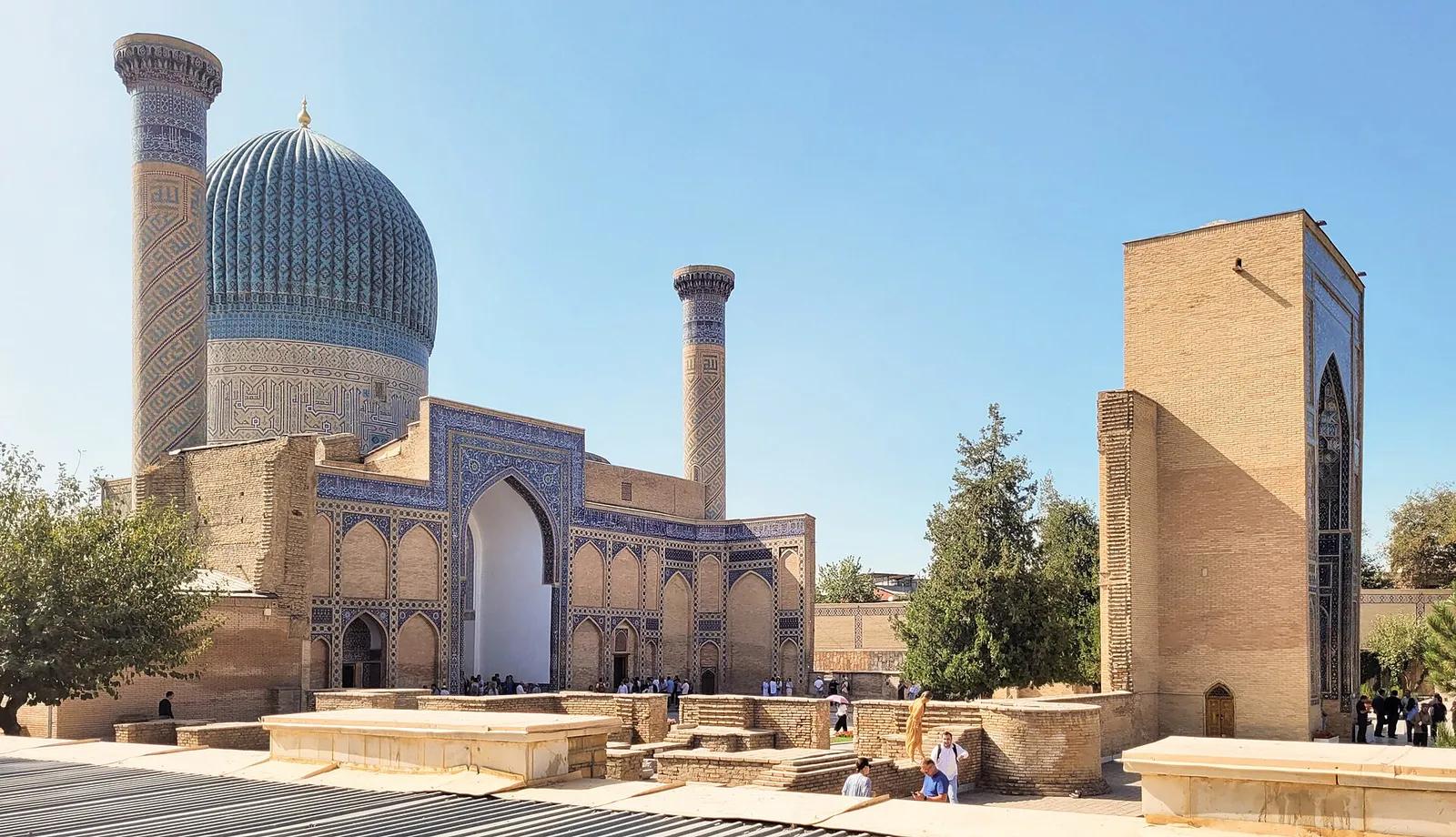
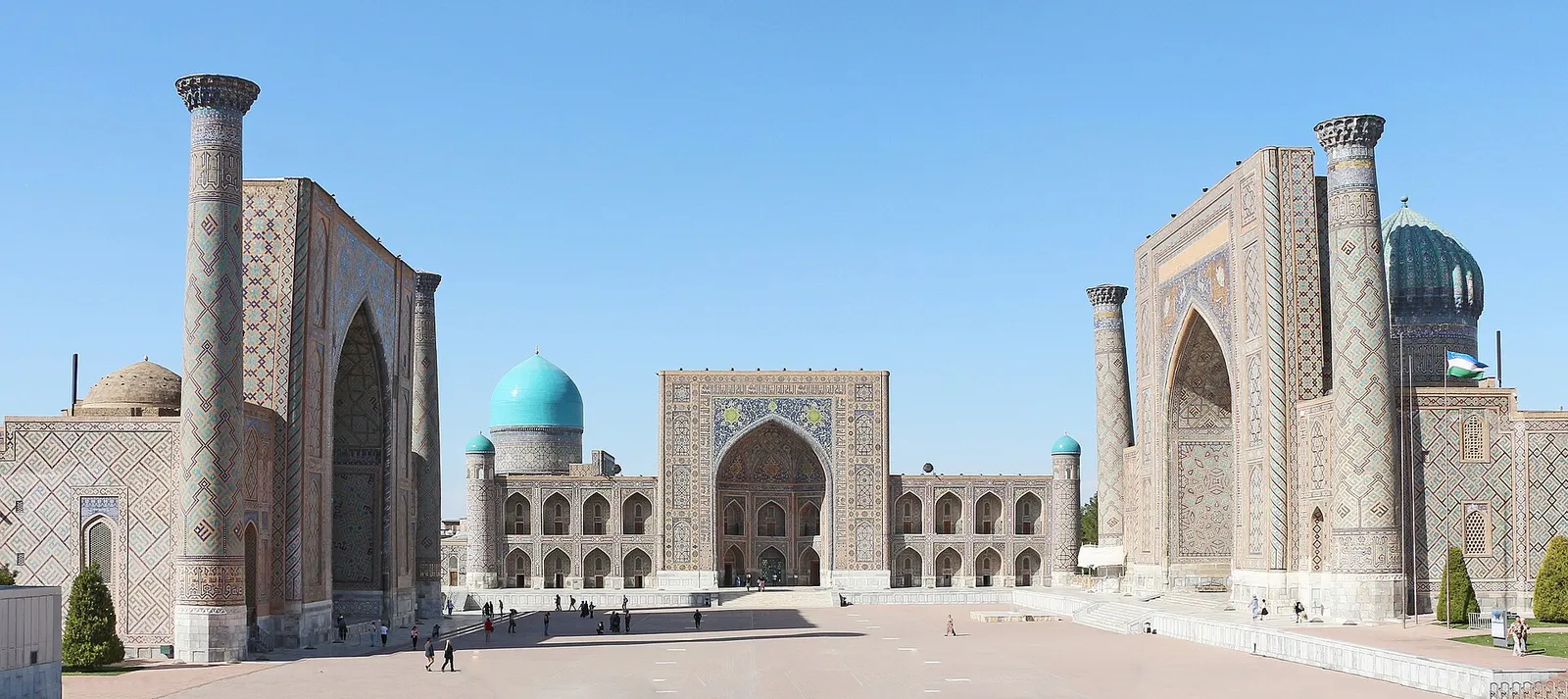
In Uzbekistan, Navruz festivities begin in the second week of March and run to the end of the month. That's roughly two weeks of spontaneous street festivals, family gatherings, and city-wide preparations. If you land in Samarkand on March 15, you'll walk into Registan Square and find neighborhoods setting up temporary stages, music groups rehearsing, and the smell of sumalak being cooked in massive cauldrons in courtyards across the city.
Here's what nobody explains: these Navruz festivals are not scheduled events you can book. They emerge organically. One day a neighborhood in Bukhara is quiet; the next morning, forty families are cooking together in the street. This is one reason I love bringing clients here in mid-to-late March — you cannot recreate this experience through a tourist package. You have to be here when it happens.
But there's a trade-off you need to know about: during the actual peak of Navruz — roughly March 19-24 — everything gets crowded and expensive. Hotel prices in Samarkand double or triple. Guides get booked out. Popular restaurants require reservations weeks ahead. If you want to experience peak Navruz, book at least six months in advance.
If you can't book that far ahead, don't try to squeeze into the peak. Come in the second week of March instead, and you'll catch the festive atmosphere without the price shock.


The food that only exists in March and April
Uzbek cuisine is deeply seasonal in ways most travelers don't realize. Some dishes literally don't exist for ten months of the year, and spring is when the best ones appear, starting with the foods tied to Navruz.
Sumalak — the defining Navruz dish. Made from sprouted wheat and slow-cooked for 24 hours over an open fire, traditionally prepared by neighborhood women who take shifts stirring the pot through the night. The texture is like a dark, sweet caramel. The taste is unlike anything in Western cuisine — there's no direct comparison. What matters more than the taste, though, is that sumalak is communal. It's given away, not sold. If you're here during Navruz week and a family invites you into their courtyard to try it — go. That's the real Uzbekistan.
Halim (halisa) — another Navruz specialty. Wheat and meat, slow-cooked overnight into a rich, savory porridge. Warming, filling, and served throughout the holiday period.
Kuk-somsa — this is the one I always insist my clients try. It's a green somsa — the same tandoor-baked pastry you've probably heard of, but stuffed with a mix of spring greens: sorrel, spinach, wild herbs foraged from village fields. Bakers only make it in March and April, when the greens are young and tender. If you visit Samarkand's Siyob Bazaar in the morning during these months, you'll see stalls with fresh kuk-somsa pulled straight from the tandoor. Take one, take two. They cost less than a dollar each.
Beyond these, spring brings the first fruits of the year. Early apricots (uryuk) appear in late March. Cherries start in early May. Every bazaar in Samarkand, Bukhara, and Tashkent explodes with color you won't see in summer — because summer fruits, while abundant, come from industrial production. Spring fruits are still small-scale, seasonal, from village orchards.